
Local guide
Ceiling Water Damage in Vermont
Short answer
Vermont ceilings get wet mainly from ice dams and winter snowmelt, frozen pipes in older and seasonal homes, and, increasingly, intense summer rainstorms. Many homes are old enough to have plaster ceilings that need careful repair.
How ceilings get water damaged in Vermont
Vermont winters are cold and snowy across the state, with the deepest snow in the Green Mountains. Summer brings humid thunderstorms, and recent years have seen damaging flash flooding from heavy rain events.
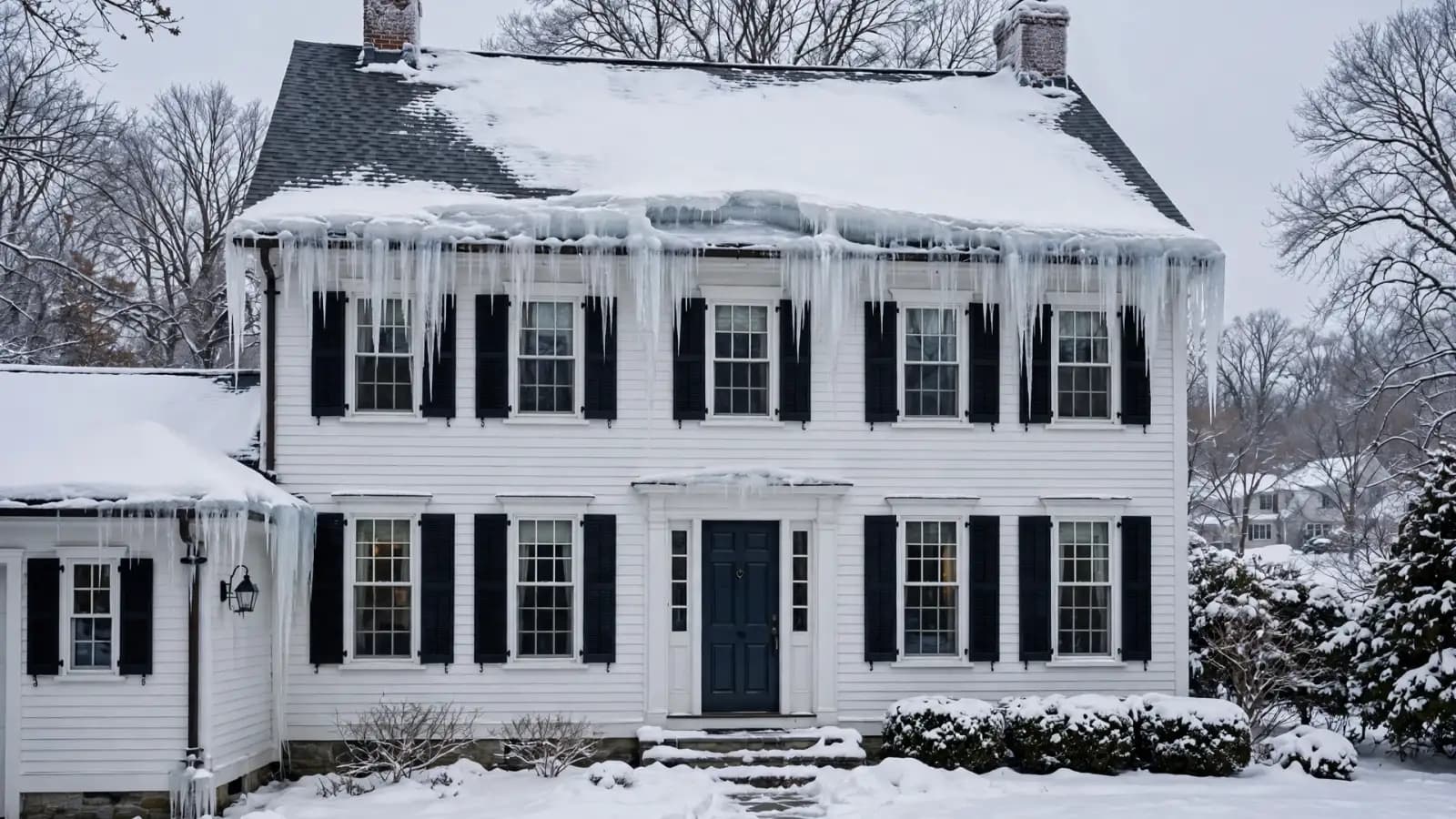
- Ice dams: Steep roofs on older farmhouses still develop ice dams where attic heat melts the snowpack. See roof leaks and ceiling damage.
- Frozen pipes: Ski-country rentals and camps are at risk during cold snaps if heat fails or is set too low. See plumbing leaks above ceilings.
- Tropical storm remnants: Tropical Storm Irene showed that remnant tropical systems can dump extreme rain far inland in Vermont. See storm damage and ceiling leaks.
- Older housing stock: A large share of homes predate modern drywall, so plaster ceilings and old plumbing are common. See water-damaged plaster ceilings.
How conditions differ across Vermont
The Champlain Valley around Burlington is somewhat milder, while the Green Mountains and the Northeast Kingdom receive heavy snow and have many older farmhouses at risk of ice dams and frozen pipes.
Vermont housing and what it means for ceilings
Vermont's housing stock is among the older in the country, with many nineteenth-century farmhouses, village homes and converted barns alongside ski-area condominiums.
When ceiling leaks peak in Vermont
Vermont's ice-dam season runs from December through March, and heavy summer rain events, which have caused major flooding in recent years, are most likely from June through August.
A practical tip for Vermont homeowners
In older Vermont homes, have the roof and flashing checked after major summer storms, not just in winter. Recent floods showed how quickly heavy rain finds weak points.
Notable water events in Vermont
- 2011, Tropical Storm Irene: Irene caused severe flooding across Vermont in August 2011.
- 2023, July 2023 floods: Heavy rain in July 2023 caused major flooding in central Vermont, including Montpelier.
Ceiling water damage by city in Vermont
- Burlington: ice dams and frozen pipes.
Neighboring states
Local sources
Local facts on this page were checked against these public sources. Conditions change; confirm details with the agency.
Frequently asked questions
Can heavy summer rain cause ceiling leaks in Vermont homes?
Yes. Intense rain overwhelms gutters and valleys and exposes worn flashing, so roofs that never leak in winter can leak in a summer downpour. Check the attic during the next heavy rain.
Is it worth repairing a water-damaged plaster ceiling in an old Vermont farmhouse?
Often, yes. Sound plaster that stayed attached can be dried and re-secured with plaster washers. Sections that sag or sound hollow may need replacement or a drywall overlay.
Why do Vermont farmhouses leak where additions meet the main house?
Roof junctions between older houses and later additions create valleys and flashing joints that are common leak points.
Can Vermont's heavy summer rain cause ceiling mold?
Yes. Leaks during humid summer weather can lead to mold quickly. Dry wet ceilings promptly.
Related guides
- CausesRoof leakStains that appear after rain: flashing, vents, shingles, ice dams and how water travels to the ceiling.
- CausesPlumbing leakSupply and drain leaks between floors: telling them apart, shutting them off, and repair.
- CausesStorm damageWind-driven rain, fallen trees, hail and hurricanes: ceiling leaks after severe weather.
- Ceiling TypesPlaster ceilingsLath and plaster in older homes: key failure, delamination, and how plaster is repaired.
- ServicesCeiling water damage repairEnd-to-end professional repair: inspection, drying, removal, rebuild and finishing.
Also referenced in
This guide is general educational information, not a site-specific inspection. Read our editorial policy for how content is researched and reviewed.
Free referral call · All 50 states
Need help with ceiling water damage?
Call and describe what you see. One call gets you help.
By calling, you agree to be connected with an independent local contractor and that your call may be recorded for quality. Calling is free and there is no obligation to hire anyone.