
Local guide
Ceiling Water Damage in Minnesota
Short answer
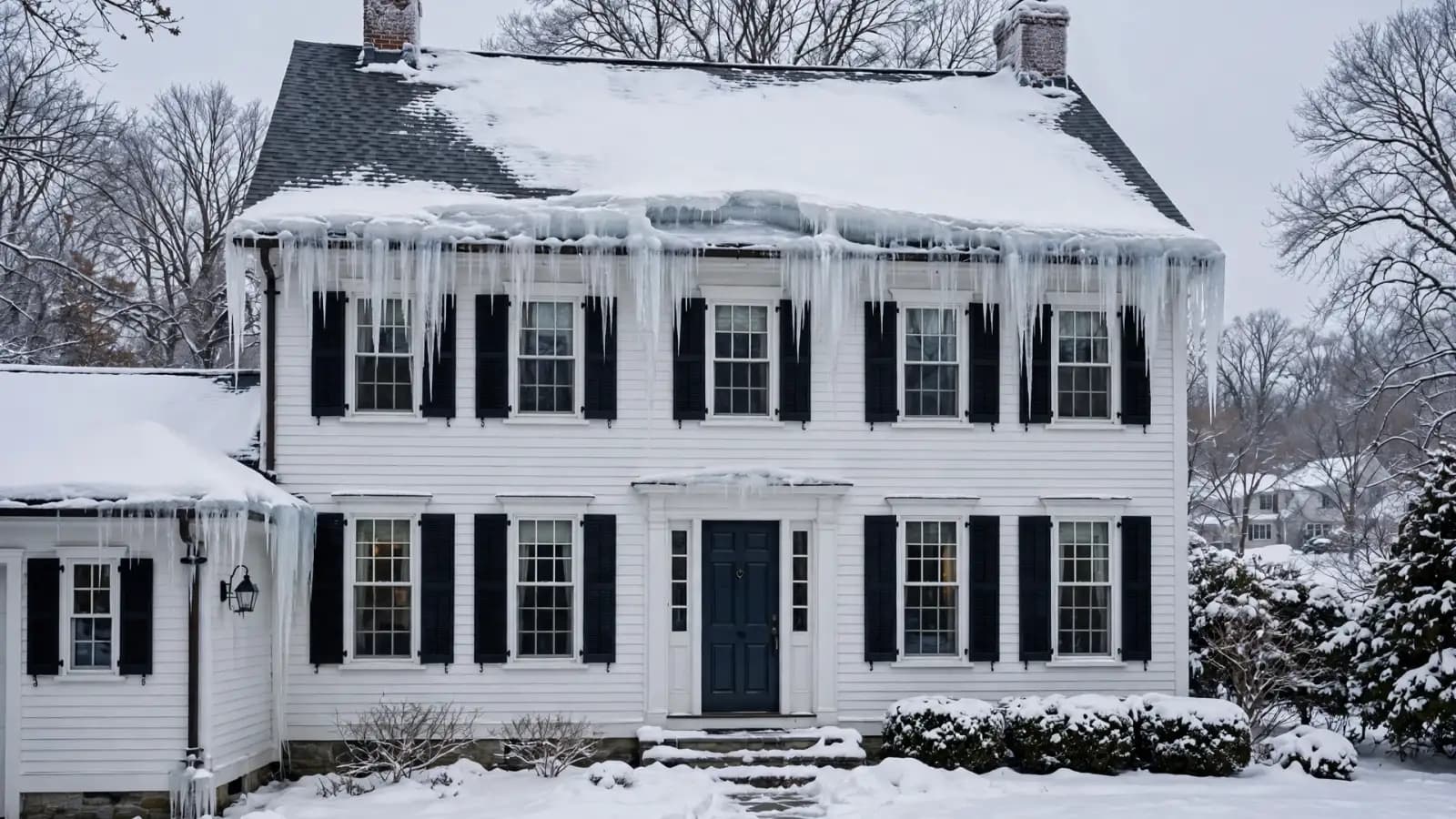
Minnesota ceiling water damage is dominated by ice dams, which are a notorious Twin Cities winter problem, along with frozen pipes in extreme cold and plumbing leaks over finished basements.
How ceilings get water damaged in Minnesota
Minnesota has long, very cold winters with persistent snow cover, short warm summers, and severe thunderstorms in summer.
- Ice dams: Ice dams are among the most common winter home problems in the Twin Cities area. See roof leaks and ceiling damage.
- Frozen pipes: Extreme cold freezes pipes in exterior walls and unheated spaces. See plumbing leaks above ceilings.
- Finished basements: Finished basements are standard, so plumbing leaks commonly show in basement ceilings. See basement ceiling leaks.
How conditions differ across Minnesota
Northern Minnesota, including Duluth and the Iron Range, has the longest, coldest winters and the most snow, while the Twin Cities and southern Minnesota see more freeze-thaw cycles, making ice dams a particular problem in the metro.
Minnesota housing and what it means for ceilings
Older story-and-a-half homes in Minneapolis and St. Paul, which are especially prone to ice dams, sit alongside newer suburban homes.
When ceiling leaks peak in Minnesota
Minnesota's ice-dam season usually runs from December through March, peaking after heavy snow followed by sunny days. Frozen pipes are most common during the coldest stretches in January and February.
A practical tip for Minnesota homeowners
Many Minnesota ice dams are fixed long-term by air sealing and insulating the attic. Utility and state programs sometimes offer energy audits that identify the air leaks behind them.
Ceiling water damage by city in Minnesota
- Minneapolis: ice dams and frozen pipes.
Neighboring states
Local sources
Local facts on this page were checked against these public sources. Conditions change; confirm details with the agency.
Frequently asked questions
Why are story-and-a-half homes so prone to ice dams?
Their sloped upstairs ceilings leave little room for insulation and ventilation, so heat reaches the roof deck and melts snow that refreezes at the eaves.
Should I wait until spring to fix an ice-dam ceiling stain in Minnesota?
Dry the area now if the drywall is wet, because wet insulation and drywall can grow mold. Cosmetic repair can wait until the roof and attic issue is addressed.
Do Minnesota ice dams damage walls as well as ceilings?
Yes. Water from ice dams can run inside exterior walls, damaging insulation and drywall below the ceiling line and causing stains around windows.
Should I remove ice dams myself in Minnesota?
Raking snow from the lower roof is safe from the ground, but chipping ice risks damaging shingles and injury. Professionals can steam ice dams safely.
Related guides
- CausesRoof leakStains that appear after rain: flashing, vents, shingles, ice dams and how water travels to the ceiling.
- CausesPlumbing leakSupply and drain leaks between floors: telling them apart, shutting them off, and repair.
- Ceiling TypesBasement ceilingsLeaks from the floor above, sweating pipes and ducts, and finish choices for easier access.
- ServicesCeiling water damage repairEnd-to-end professional repair: inspection, drying, removal, rebuild and finishing.
Also referenced in
This guide is general educational information, not a site-specific inspection. Read our editorial policy for how content is researched and reviewed.
Free referral call · All 50 states
Need help with ceiling water damage?
Call and describe what you see. One call gets you help.
By calling, you agree to be connected with an independent local contractor and that your call may be recorded for quality. Calling is free and there is no obligation to hire anyone.