
Local guide
Ceiling Water Damage in Missouri
Short answer
Missouri ceiling water damage comes from tornadoes, hail and severe storms, humid summers with heavy AC use, and winter ice storms and freezes. St. Louis and Kansas City both have large stocks of older brick homes.
How ceilings get water damaged in Missouri
Missouri has hot, humid summers, cold winters with ice storms, and frequent severe thunderstorms with hail and tornadoes.
- Severe thunderstorms & tornadoes: The 2011 Joplin tornado was one of the deadliest in U.S. history. See storm damage and ceiling leaks.
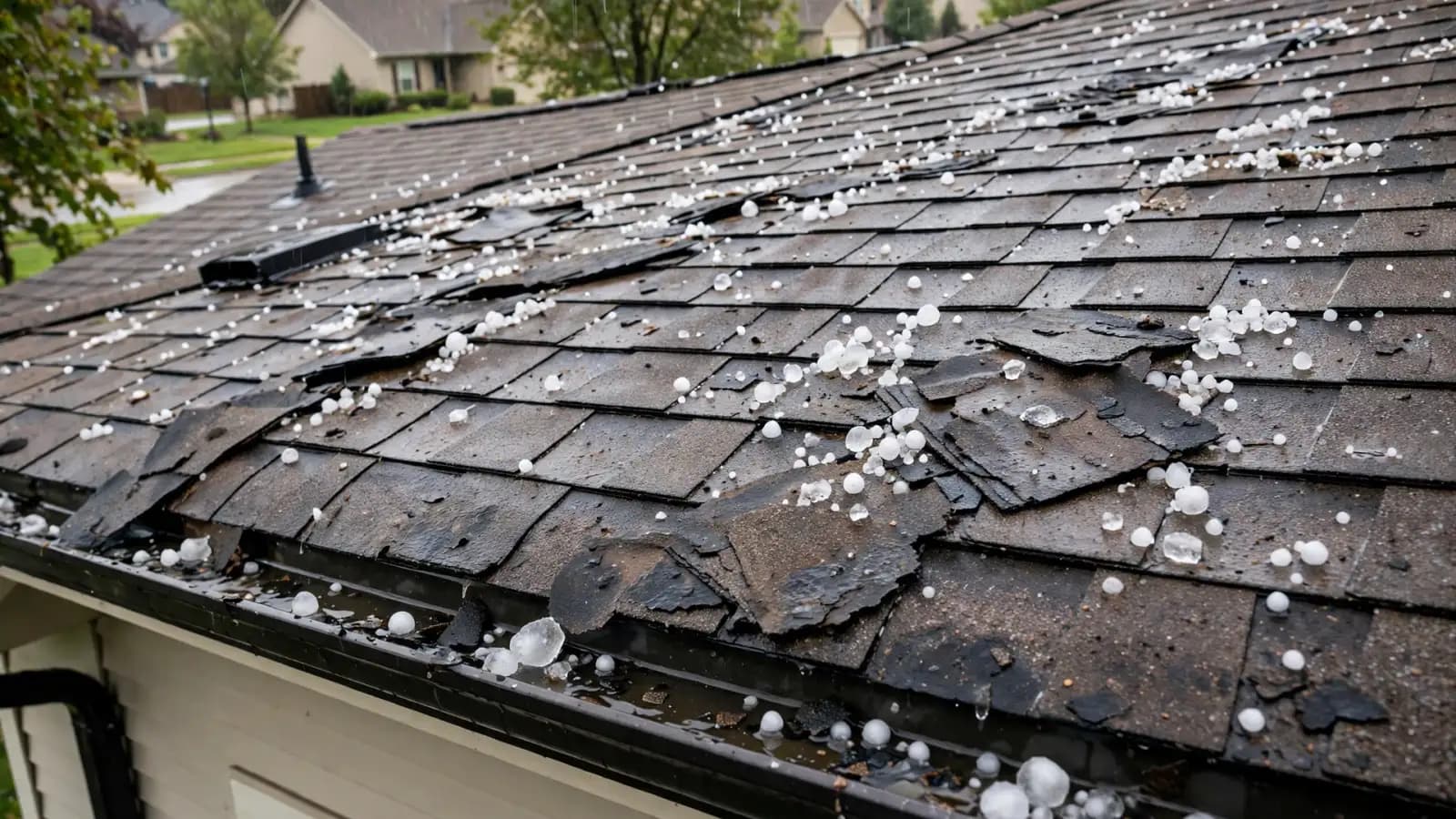
- Hail: Hailstorms damage roofs across the state, especially in spring. See storm damage and ceiling leaks.
- Older housing stock: St. Louis has many older brick homes with plaster ceilings and aging roofs. See water-damaged plaster ceilings.
How conditions differ across Missouri
Northern Missouri, including Kansas City, has colder winters and more hail, while southern Missouri, including Springfield and the Ozarks, is warmer, more humid and more wooded, with more ice-storm tree damage. St. Louis sits in the east with a large stock of older brick homes.
Missouri housing and what it means for ceilings
Older brick homes in St. Louis and Kansas City neighborhoods, mid-century suburbs with basements, and rural homes make up much of the stock.
When ceiling leaks peak in Missouri
Missouri's hail and tornado season peaks from April through June, and ice storms and freezes arrive from December through February. Summer heat keeps AC condensate leaks common.
A practical tip for Missouri homeowners
If you live in an older St. Louis or Kansas City home, have chimney flashing and mortar checked periodically. Aging masonry is a frequent source of ceiling stains.
Notable water events in Missouri
- 2011, Joplin tornado: An EF5 tornado devastated Joplin in May 2011.
Ceiling water damage by city in Missouri
- St. Louis: older housing stock and flat & low-slope roofs.
- Kansas City: hail and finished basements.
Neighboring states
Iowa, Illinois, Kentucky, Tennessee, Arkansas, Oklahoma, Kansas, Nebraska.
Local sources
Local facts on this page were checked against these public sources. Conditions change; confirm details with the agency.
Frequently asked questions
Why do older St. Louis brick homes get ceiling leaks?
Aging roofs, chimney flashing and parapet walls on older brick homes are frequent leak points, and plaster ceilings show stains readily.
How soon after hail should I have my Missouri roof inspected?
As soon as practical after significant hail, before the next heavy rain. Insurance claims for hail often have deadlines, so check your policy.
Why does my Missouri ceiling leak only during spring storms?
Spring storms bring hail and wind that damage shingles and drive rain sideways into flashing. Leaks that appear only then point to storm damage rather than plumbing.
Are older St. Louis flats prone to ceiling leaks between units?
Yes. Two- and four-family flats stack plumbing, so leaks from upper units show in lower ceilings.
Related guides
- CausesStorm damageWind-driven rain, fallen trees, hail and hurricanes: ceiling leaks after severe weather.
- Ceiling TypesPlaster ceilingsLath and plaster in older homes: key failure, delamination, and how plaster is repaired.
- ServicesCeiling water damage repairEnd-to-end professional repair: inspection, drying, removal, rebuild and finishing.
Also referenced in
This guide is general educational information, not a site-specific inspection. Read our editorial policy for how content is researched and reviewed.
Free referral call · All 50 states
Need help with ceiling water damage?
Call and describe what you see. One call gets you help.
By calling, you agree to be connected with an independent local contractor and that your call may be recorded for quality. Calling is free and there is no obligation to hire anyone.