
Local guide
Ceiling Water Damage in New Orleans, Louisiana
Short answer
New Orleans ceiling water damage comes from hurricanes, very heavy rain, constant humidity, and the aging roofs and plaster ceilings of historic shotgun and raised homes.
Why ceilings get wet in New Orleans
New Orleans is hot and humid with very heavy rainfall, frequent thunderstorms and high hurricane exposure; Katrina in 2005 and Ida in 2021 caused severe damage.
- Hurricanes & tropical storms: Hurricane winds damage roofs and drive rain into attics. See storm damage and ceiling leaks.
- Older housing stock: Historic homes have plaster ceilings and aging roofs. See water-damaged plaster ceilings.
- Humidity & long AC seasons: Humidity speeds mold growth after leaks. See ac condensation and ceiling stains.
New Orleans homes and ceilings
Historic shotgun houses, Creole cottages and raised homes in neighborhoods such as the Marigny and Uptown, many with plaster ceilings and older roofs.
Where ceiling problems concentrate in New Orleans
Historic neighborhoods such as the Marigny, Bywater and Uptown have shotgun and raised homes with plaster ceilings and older roofs, while newer suburbs see more AC condensate leaks.
How New Orleans homeowners can prepare
Photograph roof and ceiling condition before hurricane season, and start drying immediately after any leak.
A typical ceiling leak in New Orleans
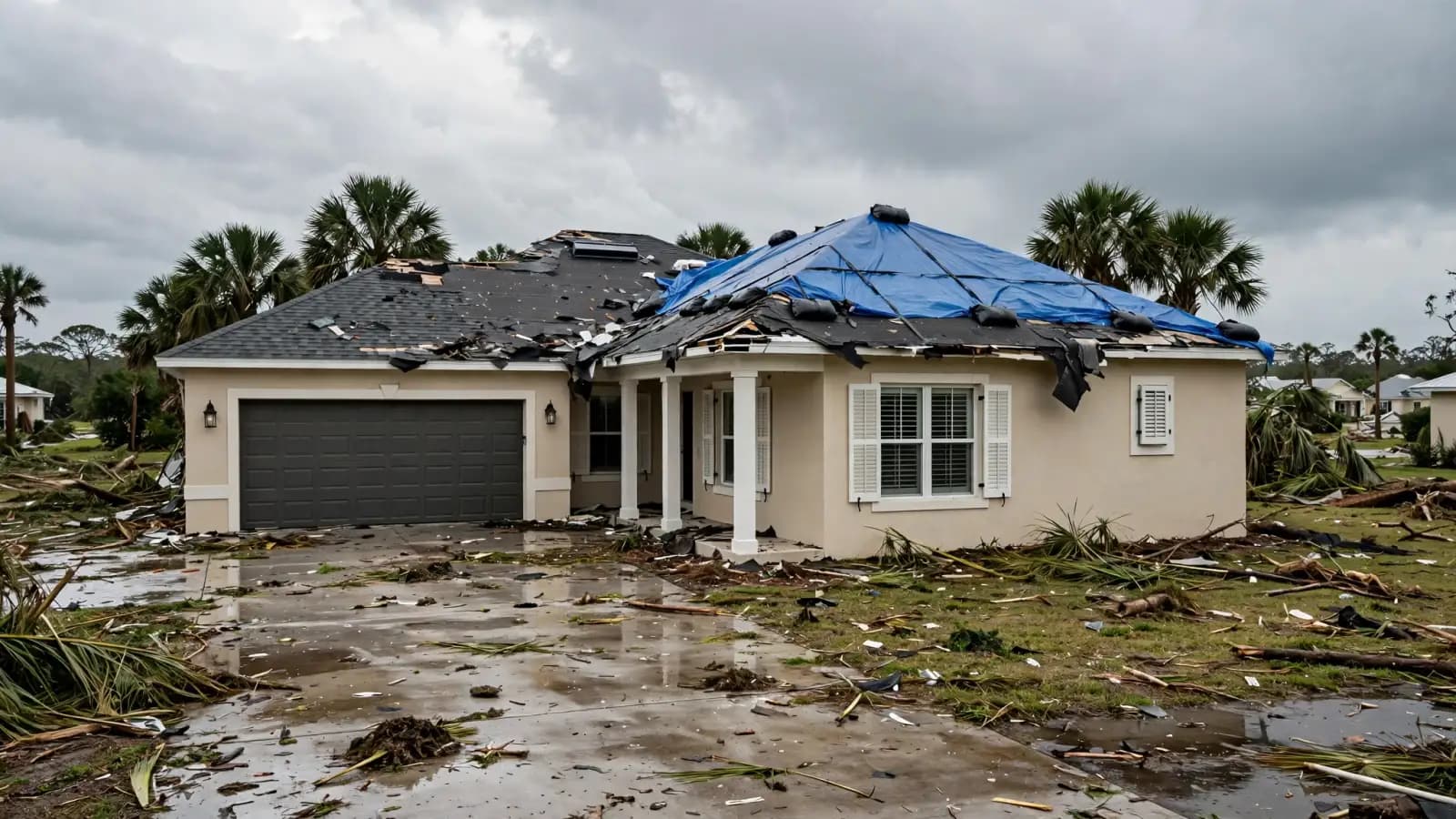
A typical New Orleans case: after a tropical storm, an Uptown shotgun house has stains on the ceiling under the roof ridge. Wind damaged shingles and drove rain into the small attic. The roof is tarped and repaired, soaked insulation and damaged plaster are removed, and the space is dried quickly with dehumidifiers.
Drying and repair in New Orleans
New Orleans repairs often involve historic plaster ceilings and storm-damaged roofs. Dry immediately with dehumidifiers and AC, and remove soaked insulation to limit mold.
Local contacts in New Orleans
- The Sewerage and Water Board of New Orleans provides water, sewer and drainage service.
Help nearby
Baton Rouge · Miami, FL · Tampa, FL · Orlando, FL · Jacksonville, FL · all of Louisiana
Local sources
Local facts on this page were checked against these public sources. Conditions change; confirm details with the agency.
Frequently asked questions
Can a New Orleans shotgun house ceiling be repaired after a leak?
Yes. Plaster and older ceilings can often be repaired once dry; badly damaged sections may need replacement. Drying quickly is essential in the humidity.
What should I do after a hurricane damages my New Orleans roof?
Document damage, contain leaks, arrange an emergency tarp, and remove soaked insulation and drywall promptly to limit mold.
How fast does mold grow after a New Orleans leak?
It can start within 24 to 48 hours.
Do shotgun houses have attics?
Many have small attic spaces; leaks can reach ceilings quickly.
Related guides
- LocationLouisianaHurricanes & tropical storms and humidity & long ac seasons are leading causes in Louisiana.
- CausesStorm damageWind-driven rain, fallen trees, hail and hurricanes: ceiling leaks after severe weather.
- Ceiling TypesPlaster ceilingsLath and plaster in older homes: key failure, delamination, and how plaster is repaired.
- CausesHVAC condensationAttic air handlers, clogged condensate lines, overflowing pans and sweating ducts.
- ServicesCeiling water damage repairEnd-to-end professional repair: inspection, drying, removal, rebuild and finishing.
Also referenced in
This guide is general educational information, not a site-specific inspection. Read our editorial policy for how content is researched and reviewed.
Free referral call · All 50 states
Need help with ceiling water damage?
Call and describe what you see. One call gets you help.
By calling, you agree to be connected with an independent local contractor and that your call may be recorded for quality. Calling is free and there is no obligation to hire anyone.