
Local guide
Ceiling Water Damage in Texas
Short answer
Texas ceiling water damage comes from hurricanes on the Gulf Coast, hail in North and Central Texas, long cooling seasons that overflow attic AC units, and rare but severe freezes that burst pipes. Winter Storm Uri in 2021 showed how unprepared plumbing fails in a deep freeze.
How ceilings get water damaged in Texas
Texas spans humid Gulf Coast, hot and hail-prone North and Central Texas, and drier West Texas. Freezes are infrequent but can be severe.
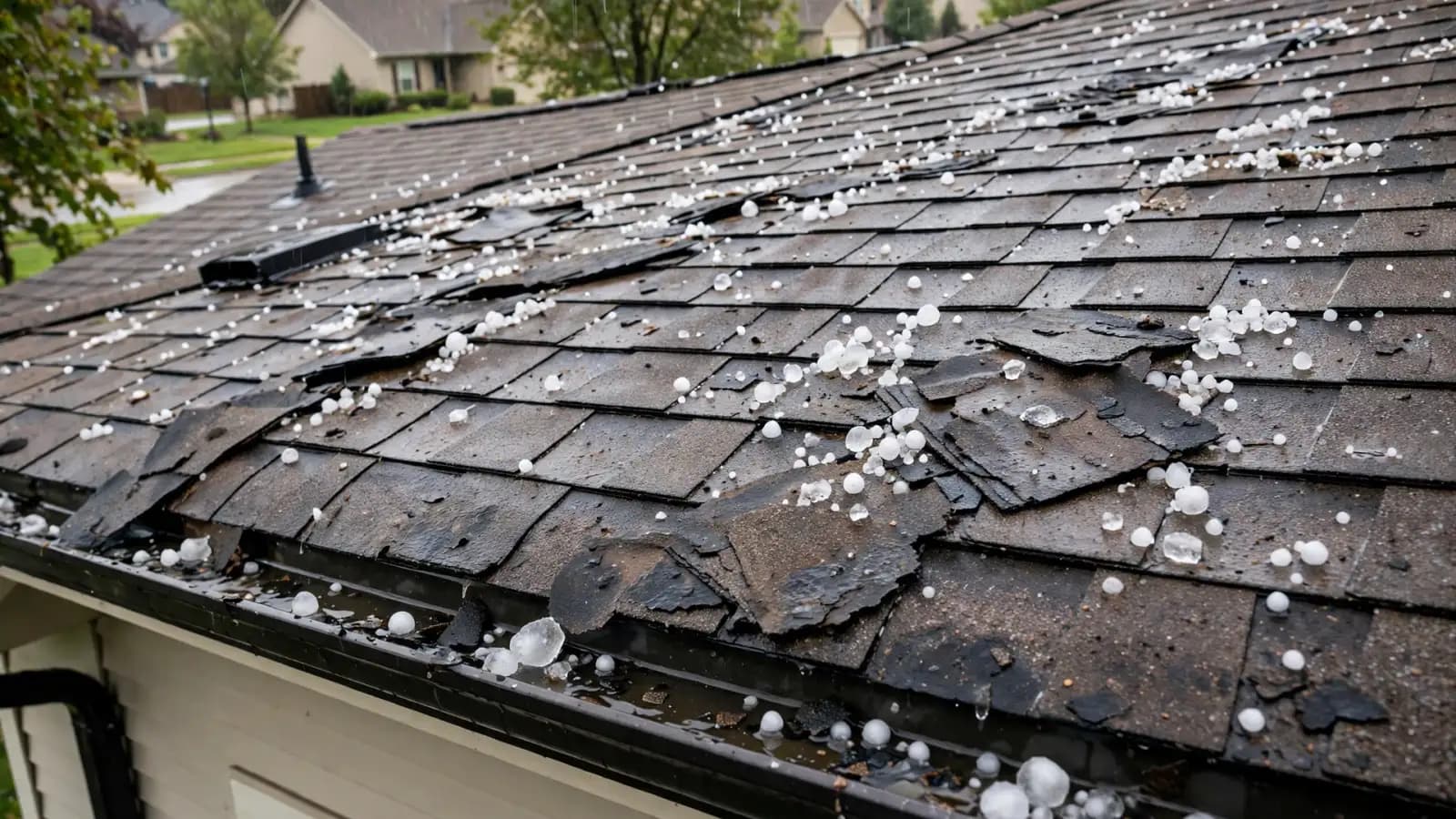
- Hail: The Dallas-Fort Worth area is one of the most hail-prone metro areas in the country, and hail-bruised roofs leak later. See storm damage and ceiling leaks.
- Hurricanes & tropical storms: Houston and the Gulf Coast face hurricanes; Harvey in 2017 caused historic rainfall. See storm damage and ceiling leaks.
- Humidity & long AC seasons: Attic air handlers run for most of the year, so condensate overflows are among the most common ceiling leaks. See ac condensation and ceiling stains.
- Frozen pipes: During Winter Storm Uri in February 2021, widespread power outages and freezing temperatures burst pipes in homes across the state. See plumbing leaks above ceilings.
How conditions differ across Texas
The Gulf Coast around Houston faces hurricanes and extreme rain, North Texas around Dallas-Fort Worth is hail country, Central Texas faces flash floods, and West Texas is drier with occasional hail and freezes.
Texas housing and what it means for ceilings
Most Texas homes are slab-on-grade with plumbing and HVAC routed through attics, so many leaks start above the ceiling rather than below it.
When ceiling leaks peak in Texas
Texas hail season peaks in spring, Gulf hurricane risk from August through October, and AC condensate leaks run from April through October. Hard freezes are rare but most likely in December through February.
A practical tip for Texas homeowners
Because so much Texas plumbing and HVAC equipment sits in the attic, check the attic every few months for wet insulation, rust in drain pans and dripping pipes.
Notable water events in Texas
- 2017, Hurricane Harvey: Harvey produced record rainfall and flooding in the Houston area in August 2017.
- 2021, Winter Storm Uri: Uri caused prolonged outages and widespread pipe bursts across Texas in February 2021.
Ceiling water damage by city in Texas
- Houston: humidity & long ac seasons and hurricanes & tropical storms.
- Dallas: hail and humidity & long ac seasons.
- San Antonio: humidity & long ac seasons and hail.
- Austin: humidity & long ac seasons and hail.
Neighboring states
Local sources
Local facts on this page were checked against these public sources. Conditions change; confirm details with the agency.
Frequently asked questions
Why do so many Texas ceiling leaks come from the attic?
Because most Texas homes are built on slabs, water heaters, air handlers and many water lines are in the attic. When they fail, water lands directly on the ceiling.
How do I protect Texas plumbing in a hard freeze?
Know where your main shutoff is, insulate attic and exterior-wall pipes, drip faucets, open cabinet doors, and protect hose bibs. If power fails for long, consider shutting off and draining the system.
Why do Texas ceilings stain under attic water heaters?
Attic water heaters can leak from the tank, fittings or relief valve. A drain pan with a drain line routed outside protects the ceiling.
Are Texas homes covered for hail-related ceiling damage?
Many policies cover sudden hail damage, but deductibles and terms vary. Document damage and check your policy.
Related guides
- CausesStorm damageWind-driven rain, fallen trees, hail and hurricanes: ceiling leaks after severe weather.
- CausesHVAC condensationAttic air handlers, clogged condensate lines, overflowing pans and sweating ducts.
- CausesPlumbing leakSupply and drain leaks between floors: telling them apart, shutting them off, and repair.
- ServicesCeiling water damage repairEnd-to-end professional repair: inspection, drying, removal, rebuild and finishing.
Also referenced in
This guide is general educational information, not a site-specific inspection. Read our editorial policy for how content is researched and reviewed.
Free referral call · All 50 states
Need help with ceiling water damage?
Call and describe what you see. One call gets you help.
By calling, you agree to be connected with an independent local contractor and that your call may be recorded for quality. Calling is free and there is no obligation to hire anyone.