
Local guide
Ceiling Water Damage in Mississippi
Short answer
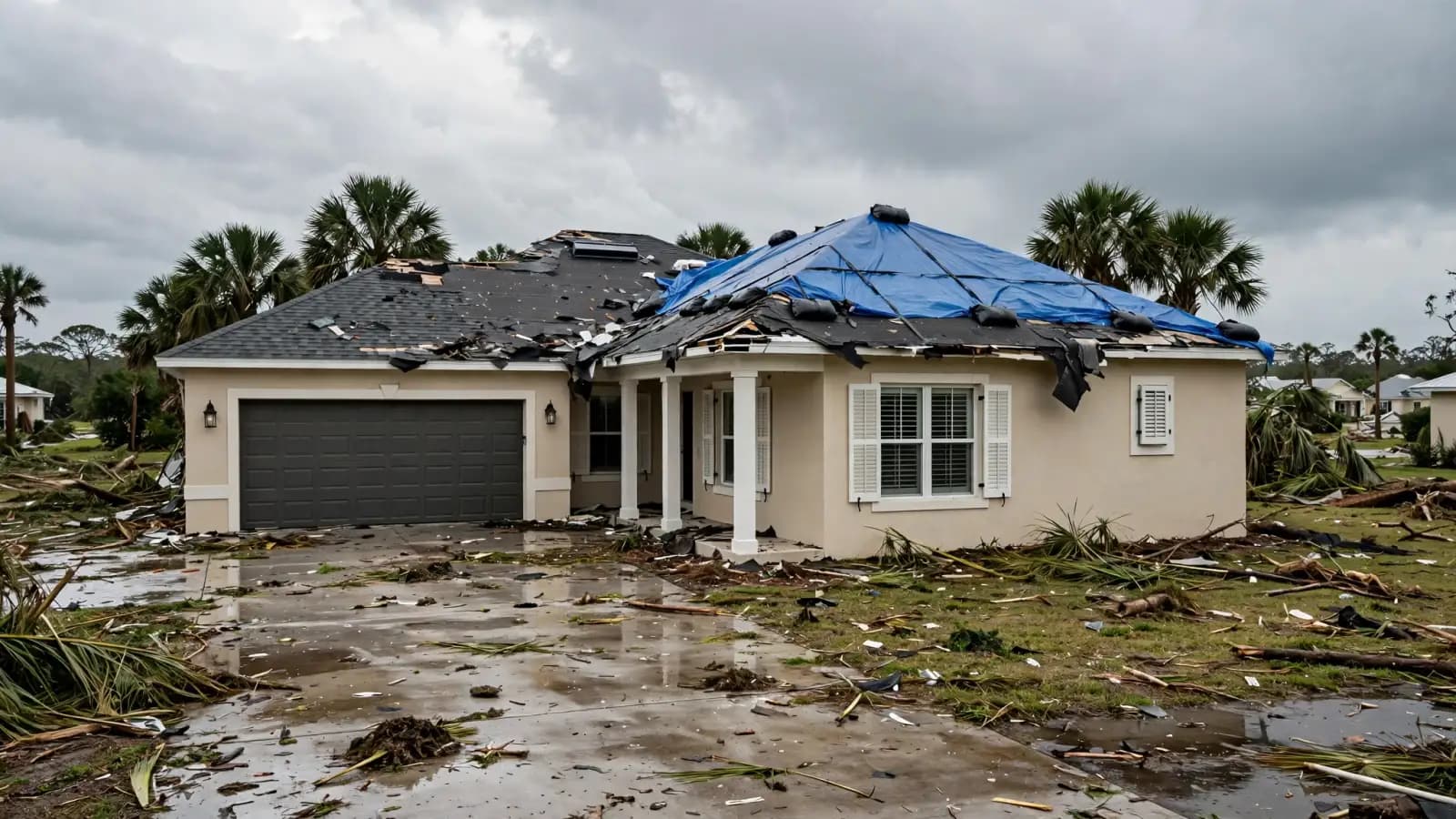
Mississippi ceiling water damage comes from hurricanes along the Gulf Coast, tornadoes and severe storms inland, and long, humid summers that keep air conditioners running. Humidity also slows drying and speeds mold growth after a leak.
How ceilings get water damaged in Mississippi
Mississippi has a hot, humid climate with mild winters, frequent severe thunderstorms and tornadoes, and Gulf Coast hurricane exposure.
- Hurricanes & tropical storms: The Gulf Coast was devastated by Hurricane Katrina in 2005. See storm damage and ceiling leaks.
- Severe thunderstorms & tornadoes: Tornadoes are common across the state, especially in spring. See storm damage and ceiling leaks.
- Humidity & long AC seasons: High humidity means ceilings dry slowly and mold develops quickly after leaks. See ac condensation and ceiling stains.
How conditions differ across Mississippi
The Mississippi Gulf Coast faces direct hurricane impacts and storm surge, while central Mississippi, including Jackson, sees more tornadoes and occasional hard freezes. Northern Mississippi has colder winters and ice storms.
Mississippi housing and what it means for ceilings
Housing is largely single-family homes on slabs or piers, with many older homes in Jackson and smaller towns.
When ceiling leaks peak in Mississippi
Mississippi's tornado season peaks in spring and again in late fall, and hurricane risk on the coast peaks from August through October. Humid summers keep AC condensate leaks common.
A practical tip for Mississippi homeowners
Because mold grows quickly in Mississippi's humidity, start drying a wet ceiling the same day: stop the water, pull down soaked insulation if safe, and run a dehumidifier.
Notable water events in Mississippi
- 2005, Hurricane Katrina: Katrina caused catastrophic damage on the Mississippi Gulf Coast in August 2005.
Ceiling water damage by city in Mississippi
- Jackson: severe thunderstorms & tornadoes and humidity & long ac seasons.
Neighboring states
Local sources
Local facts on this page were checked against these public sources. Conditions change; confirm details with the agency.
Frequently asked questions
How do I keep mold from growing after a Mississippi ceiling leak?
Stop the source, remove soaked insulation, run the AC and a dehumidifier with the room closed, and confirm drying with moisture readings. Do not close up or paint until it is dry.
Who should I call after storm damage to my Mississippi roof?
A roofer for the tarp and repair, then a restoration company to dry the ceiling and attic. Document everything before cleanup for your insurer.
Why do Mississippi ceilings stain around bathroom exhaust fans?
Fans that vent into the attic or have uninsulated ducts let moist air condense and drip back down. Venting the fan outdoors and insulating the duct stops it.
Do Mississippi homes need hurricane straps to protect ceilings?
Hurricane straps help keep roofs attached in high winds, which protects ceilings from major water intrusion. They are best installed during roof replacement or construction.
Related guides
- CausesStorm damageWind-driven rain, fallen trees, hail and hurricanes: ceiling leaks after severe weather.
- CausesHVAC condensationAttic air handlers, clogged condensate lines, overflowing pans and sweating ducts.
- ServicesCeiling water damage repairEnd-to-end professional repair: inspection, drying, removal, rebuild and finishing.
Also referenced in
This guide is general educational information, not a site-specific inspection. Read our editorial policy for how content is researched and reviewed.
Free referral call · All 50 states
Need help with ceiling water damage?
Call and describe what you see. One call gets you help.
By calling, you agree to be connected with an independent local contractor and that your call may be recorded for quality. Calling is free and there is no obligation to hire anyone.