
Local guide
Ceiling Water Damage in Colorado
Short answer
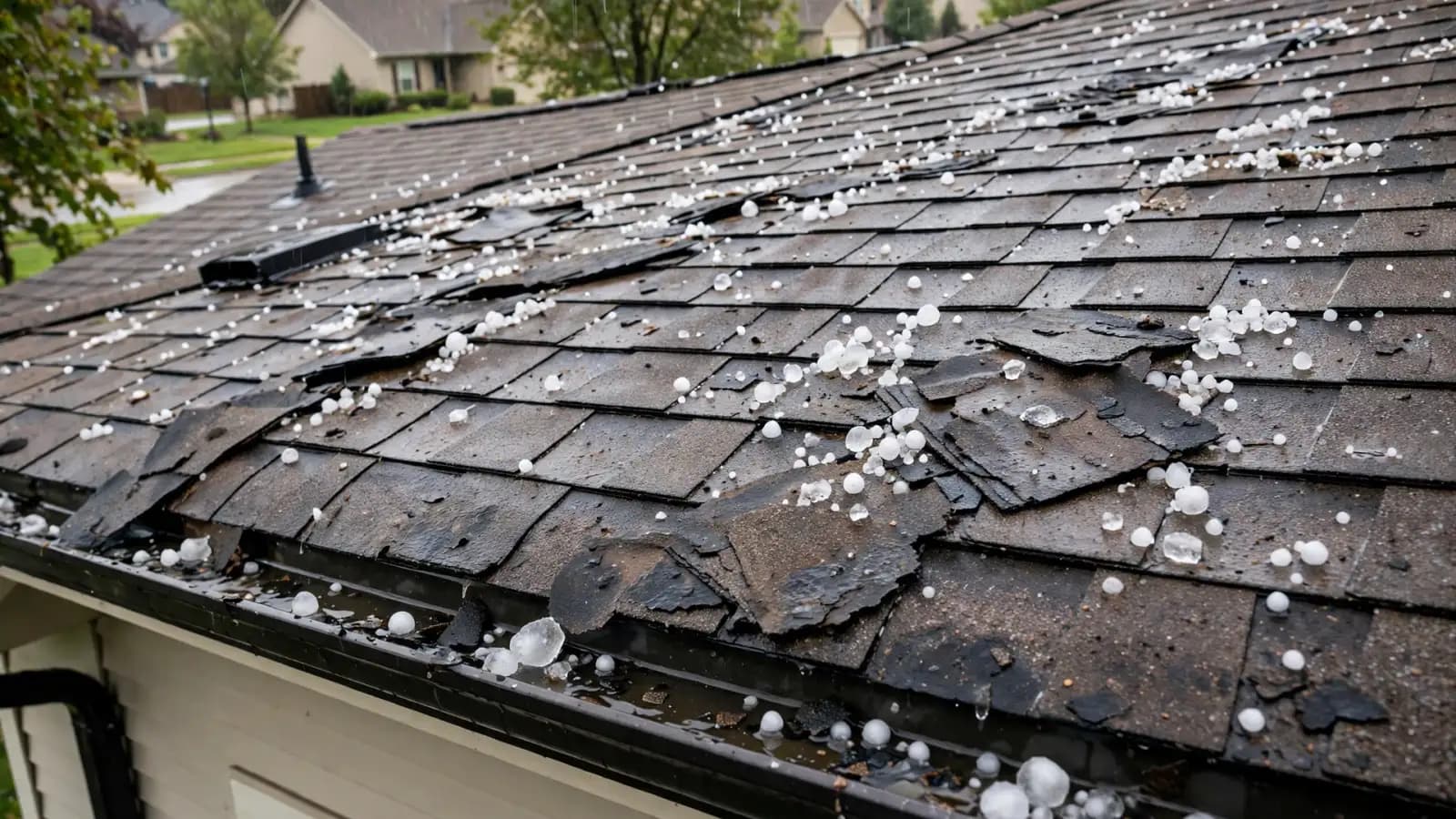
Colorado ceiling water damage commonly follows hail on the Front Range, ice dams and heavy snow in the mountains, and frozen pipes during cold snaps. Hail-bruised roofs often leak in later storms.
How ceilings get water damaged in Colorado
Colorado has a dry climate with intense sun, frequent hail on the Front Range in late spring and summer, heavy snow in the mountains, and rapid temperature swings.
- Hail: The Denver metro area and Front Range are among the most hail-prone areas in the country. See storm damage and ceiling leaks.
- Ice dams: Mountain homes with heavy snow and sunny days develop ice dams. See roof leaks and ceiling damage.
- Frozen pipes: Sudden cold fronts freeze pipes in exterior walls and crawl spaces. See plumbing leaks above ceilings.
How conditions differ across Colorado
Colorado's Front Range, from Fort Collins to Colorado Springs, is the hail capital of the state, while mountain towns such as Vail and Breckenridge deal with heavy snow loads and ice dams. The western slope is drier, with occasional monsoon storms.
Colorado housing and what it means for ceilings
Front Range housing ranges from older Denver bungalows to large suburbs, many with basements; mountain towns have cabins and condos built for snow loads.
When ceiling leaks peak in Colorado
Hail season on the Front Range runs from roughly May through August, with leaks often appearing weeks later. Winter and spring snowstorms bring ice dams in the mountains and occasional frozen pipes in sudden cold snaps.
A practical tip for Colorado homeowners
After a hailstorm, check your gutters and downspouts for shingle granules. Heavy granule loss is an early sign of hail damage before any leak shows.
Notable water events in Colorado
- 2013, September 2013 floods: Extreme rain caused major flooding along the Front Range in September 2013.
Ceiling water damage by city in Colorado
- Denver: hail and frozen pipes.
- Colorado Springs: hail and severe thunderstorms & tornadoes.
Neighboring states
Local sources
Local facts on this page were checked against these public sources. Conditions change; confirm details with the agency.
Frequently asked questions
How quickly should I fix a hail-damaged roof in Colorado?
Before the next significant storm if possible. Hail can bruise shingles and crack vents without obvious leaks at first; have a roofer inspect and document damage.
Does Colorado's dry air help a wet ceiling dry?
Yes, dry outdoor air speeds evaporation, but trapped water in insulation and between floors still needs to be exposed and confirmed dry with readings.
Do Colorado mountain homes need special roofs to avoid ceiling leaks?
Mountain homes are built for heavy snow loads, but ice dams still form where attic heat melts snow. Proper attic insulation, ventilation and ice-and-water shield along the eaves reduce leaks.
Can sudden Colorado temperature swings crack ceilings?
Large, rapid temperature changes can cause minor drywall cracks at seams, but cracks with stains, sagging or moisture point to a leak rather than normal movement.
Related guides
- CausesStorm damageWind-driven rain, fallen trees, hail and hurricanes: ceiling leaks after severe weather.
- CausesRoof leakStains that appear after rain: flashing, vents, shingles, ice dams and how water travels to the ceiling.
- CausesPlumbing leakSupply and drain leaks between floors: telling them apart, shutting them off, and repair.
- ServicesCeiling water damage repairEnd-to-end professional repair: inspection, drying, removal, rebuild and finishing.
Also referenced in
This guide is general educational information, not a site-specific inspection. Read our editorial policy for how content is researched and reviewed.
Free referral call · All 50 states
Need help with ceiling water damage?
Call and describe what you see. One call gets you help.
By calling, you agree to be connected with an independent local contractor and that your call may be recorded for quality. Calling is free and there is no obligation to hire anyone.