
Local guide
Ceiling Water Damage in Alaska
Short answer
Alaska ceiling water damage is driven by extreme cold and snow: frozen pipes, ice dams, heavy snow loads and condensation in tightly sealed homes. Southeast Alaska adds very heavy rainfall.
How ceilings get water damaged in Alaska
Alaska's climate ranges from extremely cold interior winters around Fairbanks to milder, snowy Southcentral winters around Anchorage and very wet conditions in the Southeast.
- Frozen pipes: Extreme cold freezes pipes quickly if heat fails, especially in the interior. See plumbing leaks above ceilings.
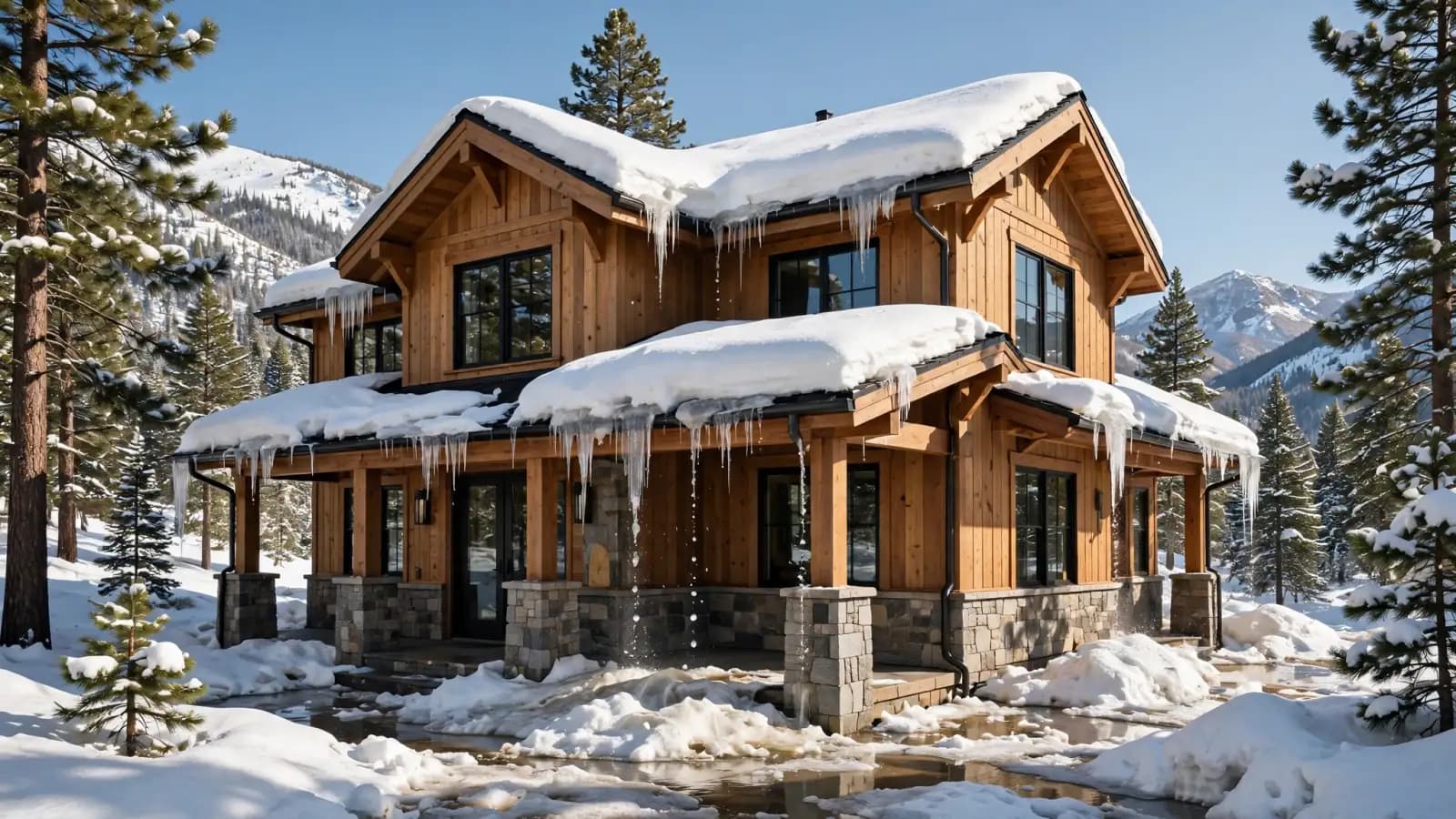
- Ice dams: Snow cover for much of the winter makes ice dams common. See roof leaks and ceiling damage.
- Heavy snow: Heavy snow loads stress roofs, particularly in Southcentral and mountain areas. See roof leaks and ceiling damage.
- Long wet seasons: Southeast Alaska towns receive very high annual rainfall, testing roofs constantly. See roof leaks and ceiling damage.
How conditions differ across Alaska
Interior Alaska, including Fairbanks, has the coldest temperatures; Southcentral, including Anchorage, has snowy winters with frequent freeze-thaw; and Southeast Alaska, including Juneau, receives very high rainfall that tests roofs year-round.
Alaska housing and what it means for ceilings
Many homes are built for cold, with heavy insulation; older homes and cabins are more prone to freezing and ice dams.
When ceiling leaks peak in Alaska
Alaska leak problems peak from late fall through breakup in spring. Freeze-ups happen during the coldest stretches, ice dams build through long snow cover, and breakup brings meltwater that finds every weak flashing joint.
A practical tip for Alaska homeowners
Install a low-temperature alarm or remote thermostat if you travel in winter, and know how to drain your plumbing quickly; in interior Alaska a heating failure can freeze pipes within hours.
Ceiling water damage by city in Alaska
- Anchorage: frozen pipes and ice dams.
Local sources
Local facts on this page were checked against these public sources. Conditions change; confirm details with the agency.
Frequently asked questions
Why does condensation drip from my ceiling in an Alaska winter?
Warm, moist indoor air can reach cold surfaces in the attic and condense or frost, then melt and drip. Air sealing, ventilation and bathroom exhaust vented outdoors reduce it.
What should I do if the heat fails in an Alaska home?
Shut off the water main and drain lines if heat cannot be restored quickly, and call for help. Frozen pipes can burst within hours in extreme cold.
Why do ceilings in Alaska homes stain near exterior walls in late winter?
That is the classic ice-dam pattern: heat escapes into the attic, melts snow on the roof, and the water refreezes at the cold eaves, then backs up under shingles. The stains appear on the top-floor ceiling along exterior walls.
Can heavy snow load cause a ceiling to crack in Alaska?
Excess snow can deflect roof framing, which may show as new ceiling cracks, sticking doors or sagging. If you see these signs during heavy snow, have the snow removed professionally and the structure checked.
Related guides
- CausesPlumbing leakSupply and drain leaks between floors: telling them apart, shutting them off, and repair.
- CausesRoof leakStains that appear after rain: flashing, vents, shingles, ice dams and how water travels to the ceiling.
- ServicesCeiling water damage repairEnd-to-end professional repair: inspection, drying, removal, rebuild and finishing.
Also referenced in
This guide is general educational information, not a site-specific inspection. Read our editorial policy for how content is researched and reviewed.
Free referral call · All 50 states
Need help with ceiling water damage?
Call and describe what you see. One call gets you help.
By calling, you agree to be connected with an independent local contractor and that your call may be recorded for quality. Calling is free and there is no obligation to hire anyone.